

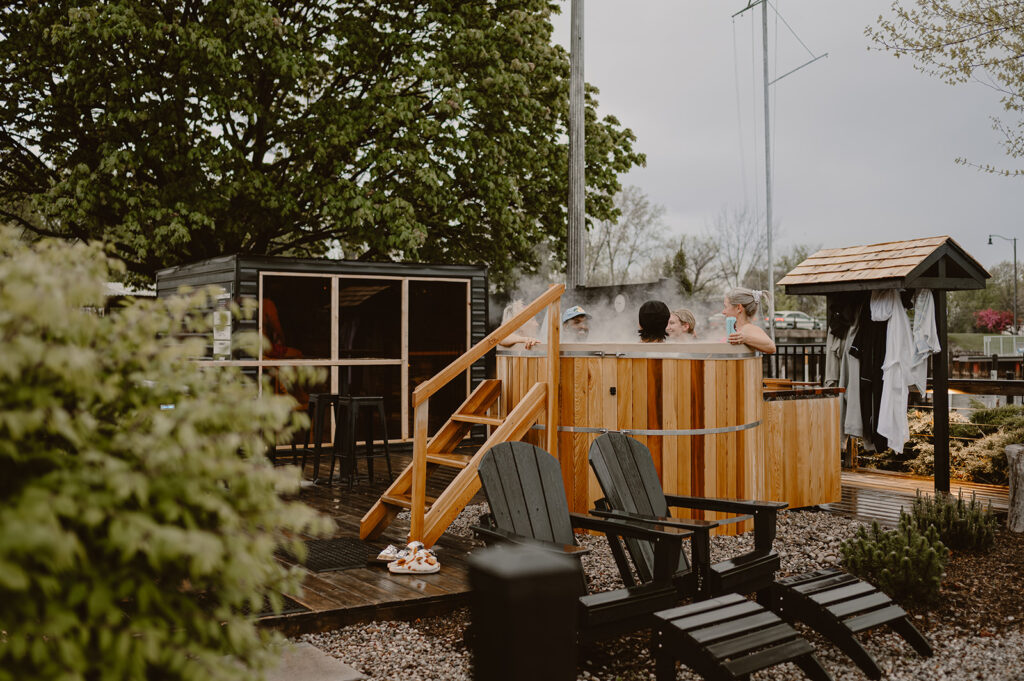
You do not need to memorize a wellness routine before you walk in. Self guided contrast therapy is built around a simpler idea: spend time in different temperature environments, rest when you need to, and let your own comfort guide the experience. Some guests arrive after a demanding workout. Others come in carrying a full workweek, sore shoulders, or a mind that has not had a quiet moment all day.
The point is not to prove how long you can stay in the heat or how cold you can go. It is to make room for recovery in a way that feels manageable, restorative, and yours.
What Is Self Guided Contrast Therapy?
Contrast therapy generally means moving between warm and cold environments, with time to rest and rehydrate in between. The change in temperature can feel energizing, calming, or pleasantly clarifying, depending on the day and how you choose to use it.
The self-guided part matters. Rather than following an instructor through a required sequence, you decide where to begin, how long to stay, and when you are ready for a pause. You may prefer a gentle warm-up, a brief cold exposure, and a long rest afterward. Someone else may spend most of their visit in warmth and only try the cold for a few seconds. Both are valid ways to participate.
At FlowState, the Thermal Cycle is designed to make that flexibility feel natural. You have access to multiple temperature environments, designated rest areas, hydration, refreshments, and onsite support if you have questions. There is no pressure to keep pace with anyone else.
There Is No Perfect Sequence
One reason first-time guests hesitate around thermal wellness is the belief that there must be one correct order. In reality, the best sequence depends on your experience level, current energy, preferences, and how your body is responding that day.
For many newcomers, starting with warmth can make the experience feel more approachable. A warm environment gives you time to settle in, notice your breathing, and leave the pace of the day behind. From there, you might choose a short cold interval, followed by a quiet rest. That simple pattern gives you a chance to see how the temperature shift feels without turning the visit into a test.
If cold feels intimidating, it is fine to make it brief or skip it entirely during an early visit. Recovery should not feel like a dare. A self-paced setting gives you permission to build familiarity over time instead of forcing a big first step.
A Gentle First-Visit Rhythm
A useful starting point is to spend a comfortable amount of time warming up, try a short cold exposure if you feel ready, then rest and hydrate. Notice what changes: your breath, your energy, your muscle tension, or simply your desire to continue.
You can repeat that rhythm, change it, or stop after one round. Some days call for a few cycles. Other days call for a warm reset and a lounge chair. Listening to that distinction is part of the practice.
What to Expect During Your Session
A self-guided thermal session should feel supported, not confusing. You can arrive alone and take a private break from your usual routine, or come with a partner or friends and make it part of your time together. You do not need to have the same preferences as the people you came with. One person may love the cold while another takes their time in a warm space or rest area.
Give yourself enough time to change, settle in, and move slowly. Bring a swimsuit and any personal items the studio recommends. Hydration is part of the experience, especially when you are spending time in warm temperatures. Drink water before and throughout your visit, and take advantage of a refreshment break when it sounds good.
You may also notice that your session becomes less about doing and more about noticing. The warmth may invite you to loosen your shoulders. The cold may bring your attention to your breath. The rest period may be where the real reset lands. None of these moments need to be rushed.
How to Choose Your Pace
Your pace should be based on how you feel, not on what someone else is doing. A friend may stay in a cold environment longer than you. A regular guest may move through several rounds with ease. Their routine is information, not instruction.
Start conservatively, particularly if thermal wellness is new to you. Shorter exposures leave room to learn what feels comfortable. You can always add more time on another visit. It is harder to enjoy the experience when you push past your comfort zone just because you think you should.
A few cues can help you decide when to move on. Step out or take a rest if you feel lightheaded, nauseated, shaky, overly uncomfortable, or simply done. There is no reward for ignoring those signals. Sit down, drink water, and give your body time to return to a comfortable baseline.
It also helps to separate discomfort from pressure. A brief cold experience can be challenging by nature, especially at first. But you should still feel in control. You can leave whenever you want, return when you feel ready, or choose not to return at all.
Rest Is Part of the Cycle, Not a Break From It
The quiet spaces between temperature changes are often where guests feel the biggest shift. Rest gives you a chance to cool down or warm up gradually, breathe normally, and check in with how you are doing. It turns the session from a series of extremes into a more balanced ritual.
For busy professionals, rest can feel unexpectedly difficult. You may be used to filling every open minute with a task, a screen, or a conversation. Try treating the rest period as a real part of your appointment. Sit back. Sip water. Let your phone stay out of reach for a while. You do not have to make the time productive for it to be worthwhile.
If you visit with friends, rest can be social without becoming noisy or demanding. You might chat softly, share a drink afterward, or simply enjoy being in the same calm setting. It is a low-pressure way to spend time together, especially when a traditional fitness class or formal spa appointment does not fit the mood.
Who Should Take Extra Care?
Thermal experiences are not a one-size-fits-all activity. If you are pregnant, have a heart or circulation condition, have uncontrolled blood pressure, have a history of fainting, or are managing another medical concern, check with a qualified health professional before participating. The same caution applies if you are feeling unwell, dehydrated, or recovering from illness.
Avoid using alcohol or recreational substances before a thermal session. They can make it harder to notice how your body is responding and may increase the chance of dizziness or dehydration. Eat and drink in a way that helps you feel steady, and let onsite staff know if you need guidance before getting started.
This is not about making the experience feel overly clinical. It is about giving yourself the care and margin that make recovery feel good.
Make It a Ritual You Can Return To
Self guided contrast therapy works best when it fits real life. That may mean stopping in after a workout, setting aside a quiet weekday evening, or meeting a friend for a different kind of catch-up. You do not need a dramatic reason to take time for yourself. A regular hour away from noise, obligation, and constant movement can be reason enough.
Over a few visits, you may find that your preferences change. What felt too cold at first may become familiar. You may discover that warmth and rest are your favorite combination. You may come for physical recovery one week and mental space the next. The freedom to adjust is what keeps the practice approachable.
Come curious, begin gently, and let the session meet you where you are. Your recovery does not need to follow anyone else’s script.