

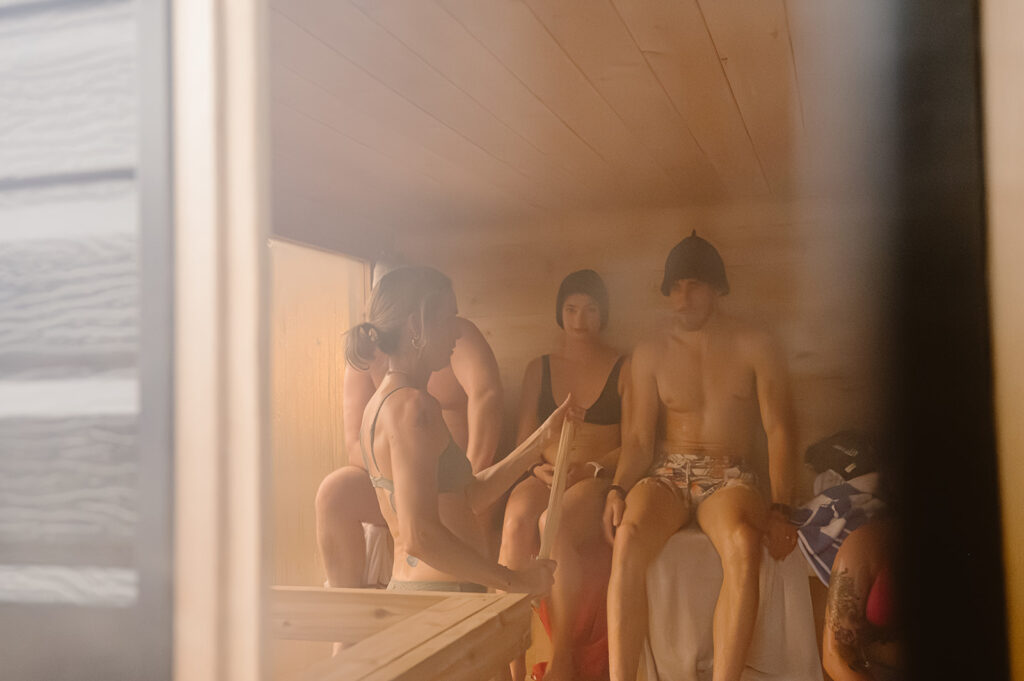
The day after a hard workout, a long shift, a run along the waterfront, or a weekend spent lifting and moving furniture, soreness can make even simple movements feel a little less inviting. Heat therapy for muscle soreness is one gentle way to respond. It will not erase every ache or replace rest, but warmth can help tight, tired muscles feel more comfortable while giving you a reason to pause.
The key is not pushing through a rigid routine. It is noticing what your body needs that day. Sometimes that means a few quiet minutes of warmth. Sometimes it means light movement, hydration, sleep, or taking a full day off. Recovery works best when it fits real life.
How Heat Therapy for Muscle Soreness Can Help
Warmth increases blood flow near the surface of the body and can create a loosening, calming sensation in stiff muscles. For many people, that makes it easier to move comfortably after sitting at a desk, working on their feet, training at the gym, or waking up with a tight back or neck.
Heat is especially appealing when soreness comes with stiffness. A warm bath, heating pad, hot shower, sauna, or hot soak can help the body settle before gentle stretching or easy movement. Think of it less as a cure and more as an invitation for your muscles to soften.
There is also a mental side to recovery. Muscle soreness often arrives alongside a busy schedule, poor sleep, or the feeling that you need to keep going. Spending time in a warm, quiet space can help create a transition out of that mode. You may leave feeling physically more comfortable, but also less rushed.
That said, heat has limits. It does not repair a strain, speed up every type of recovery, or make it wise to train hard through pain. The goal is comfort and restoration, not proving how much heat you can handle.
When Warmth Is Usually the Better Choice
Heat often feels best for lingering stiffness and familiar muscle soreness, particularly when the area does not look swollen or feel freshly injured. If your legs are heavy after a run, your shoulders are tight after a week at the computer, or your back feels guarded after physical work, a moderate amount of heat may be a helpful part of your reset.
It can also be useful before low-intensity movement. A warm shower or sauna session before an easy walk, mobility work, or gentle stretch may help you move with less resistance. Keep the follow-up movement relaxed. Recovery is not the moment to turn stretching into another workout.
For delayed-onset muscle soreness, the tenderness that can show up a day or two after unfamiliar or challenging activity, heat can make the experience more manageable. You may still be sore, and that is normal. The aim is to support comfort while your body recovers.
When to choose cold, rest, or medical care instead
If pain is sudden, sharp, or tied to a new injury, heat may not be the first choice. The same goes for a visibly swollen area, a joint that feels hot or unstable, significant bruising, numbness, or pain that gets worse rather than gradually improving. In those situations, protect the area, avoid testing it repeatedly, and consider advice from a qualified health professional.
Cold can feel better for some people after intense activity or when an area feels inflamed and irritated. Others prefer alternating warmth and cold, with rest in between. There is no single thermal routine that works for everyone, so comfort is useful information.
Seek prompt medical attention for severe pain, inability to bear weight, chest pain, trouble breathing, weakness, fever, or unusually dark urine after extreme exertion. Those symptoms are not typical everyday soreness.
A Comfortable Way to Use Heat
The best heat session is usually the one that leaves you feeling calmer, not depleted. Start with a short exposure at a temperature that feels manageable. With a heating pad or warm bath, that might mean 15 to 20 minutes. In a sauna or hot soaking environment, begin conservatively, step out when you want to, and give yourself time to cool down and rest.
Drink water before and after, especially if you have been sweating, working outside, or exercising. Avoid alcohol before heat exposure, and do not use heat when you are already feeling dizzy, ill, or dehydrated.
Pay attention to simple signs that it is time to leave: lightheadedness, nausea, headache, a racing heart, or the sense that you are trying to tough it out. More time is not automatically more beneficial. A shorter visit that feels restorative is plenty.
Avoid falling asleep with an electric heating pad, and place a layer between the pad and bare skin to reduce the risk of burns. People with reduced sensation, circulation concerns, certain heart conditions, or who are pregnant should check with a healthcare professional about what heat exposure is appropriate for them.
Make Heat Part of a Bigger Recovery Ritual
Heat works well alongside the basics that are easy to underestimate: enough sleep, regular meals, water, and light movement. A warm session followed by a slow walk, a few gentle range-of-motion movements, or simply sitting down with a drink can be more helpful than jumping immediately back into errands.
If you enjoy contrast therapy, you might move between sauna, cold plunge, and rest at a pace that feels right for you. Some people like the alert feeling that follows cold water; others prefer a mostly warm, quiet visit. Both are valid. At FlowState, the experience is designed to be self-paced, so there is no required sequence and no need to perform recovery a certain way.
A social visit can be restorative too. Meeting a friend after a workout or sharing a sauna session after a long week gives recovery a place on the calendar. If you prefer silence, a solo session can offer the same permission to step away from the noise for a while.
How Often Should You Use Heat for Sore Muscles?
There is no perfect number. Some people enjoy a brief warm shower most days, while others save sauna or soaking for after demanding training days or physically active workweeks. Your response matters more than a strict schedule.
A useful check is how you feel later that day and the following morning. If heat leaves you relaxed, hydrated, and able to move more comfortably, it may be a good fit. If you feel drained, lightheaded, or more sensitive afterward, shorten the session, lower the temperature, or choose rest instead.
It is also worth separating ordinary soreness from recurring pain. If the same spot keeps flaring up, affects your sleep, changes how you walk or lift, or has not improved after a reasonable period of rest, warmth may provide temporary comfort without addressing the cause. A physical therapist or healthcare provider can help you understand what is going on.
A Few Questions People Often Ask
Should I use heat immediately after a workout?
It depends on how you feel. If you are simply tired and stiff, warmth may feel great. If you have a fresh ache, swelling, or a possible injury, give the area a break and consider whether cold or professional guidance is more appropriate.
Can a sauna help with sore legs after running?
For many runners, a moderate sauna session feels soothing after a run, especially when paired with water, food, and sleep. Keep your first session short if you are new to sauna use, and avoid going in when you are severely dehydrated or overheated from the run.
Is heat better before or after exercise?
Before gentle movement, heat can help with stiffness. After exercise, it can support relaxation and comfort. For intense training, the better choice depends on your symptoms, your goals, and how your body responds.
Muscle soreness is often your body asking for a little patience. Give it warmth if warmth feels good, move gently when movement helps, and let recovery be something you can return to rather than another thing you need to get exactly right.