

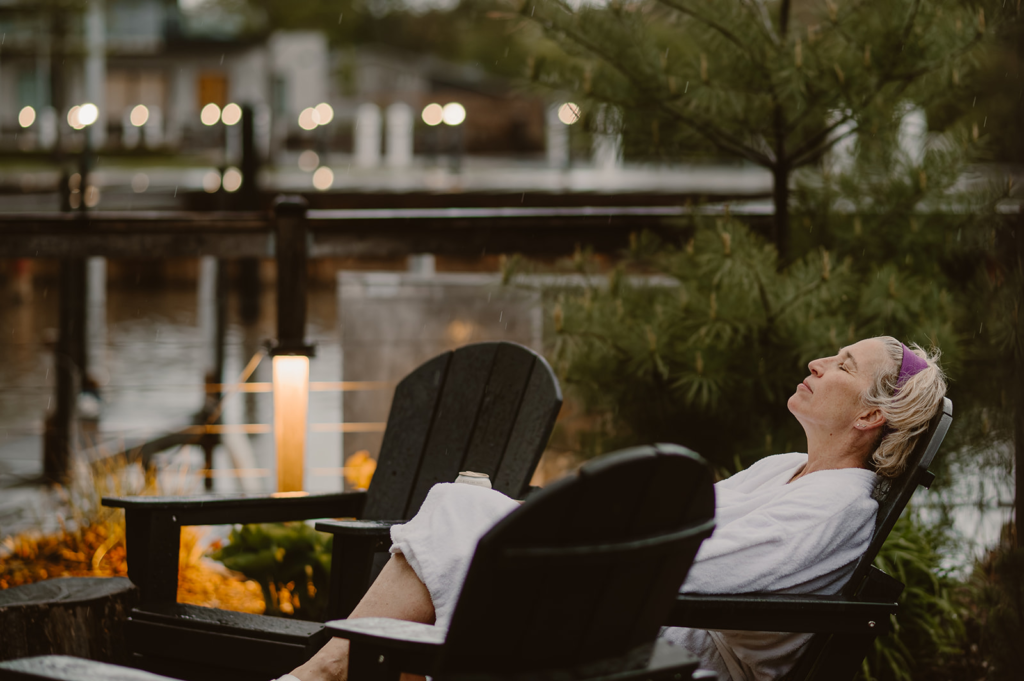
The best solo self care ideas do not need to take a full day, cost a lot, or look impressive from the outside. Sometimes care is as simple as stepping away from the noise long enough to notice what your body and mind have been carrying. A few intentional minutes can create a real reset, especially when life feels full, fast, or a little too connected.
Solo time is not about doing more wellness perfectly. It is about giving yourself room to choose what feels supportive today. That might mean movement after a long shift, quiet after a busy weekend, or a warm place to rest when your energy is low.
Solo self care ideas that fit real life
1. Take a phone-free walk
Leave your phone in a pocket, turn off the podcast, and take a short walk without needing to track steps or reach a destination. Notice the temperature outside, the rhythm of your breath, and the feeling of moving at your own pace. Even 15 minutes around your neighborhood or along the waterfront can create a useful break between work mode and home mode.
If silence feels unfamiliar, that is okay. The goal is not to empty your mind. Let thoughts come and go while your body gets a little fresh air and gentle movement.
2. Build a slower morning, once a week
You do not need a five-step morning routine to start the day well. Pick one morning each week to delay the rush by 20 minutes. Make coffee or tea without scrolling, sit near a window, and eat something that feels nourishing rather than convenient.
This small ritual works best when it is realistic. If weekday mornings are packed, try it on a Saturday. If you have an early shift, make it an evening ritual instead. Self care is more likely to stick when it works with your actual schedule.
3. Stretch where you are
A full workout is great when you want one, but a few minutes of easy movement still counts. Roll your shoulders, stretch your calves against a wall, lie on the floor with your legs up on the couch, or move through a few slow hip and back stretches after sitting all day.
Pay attention to relief rather than range. There is no need to force a stretch or turn a recovery moment into another performance. Gentle movement can be especially welcome after driving, desk work, lifting, or a demanding workout.
4. Make one meal feel like a pause
Eating alone does not have to mean eating over the sink or answering emails between bites. Set out a real plate, make something simple that you enjoy, and sit down for it. A warm bowl of soup, eggs and toast, fruit with yogurt, or a favorite takeout meal can become a reset when you give it your full attention.
Try leaving the television off for the first few minutes. You may find that a quiet meal offers more rest than another hour of background noise.
5. Let yourself rest before you earn it
Many people wait until they are completely drained to slow down. Instead, try taking a 20-minute rest while you still have something left in the tank. Lie down with an eye mask, sit outside with a blanket, or settle into a comfortable chair with no task attached.
Rest is not always sleep, and it does not have to be productive. It can simply be a chance for your nervous system to have fewer demands placed on it for a little while.
6. Write down the mental clutter
When your thoughts keep looping, a blank page can help. Set a timer for five minutes and write whatever is taking up space: errands, worries, reminders, frustrations, or things you do not want to forget. There is no right format and no need to make it insightful.
At the end, circle one thing you can handle today and let the rest stay on the page. You may not solve everything, but you can make the next step feel clearer.
7. Create a small evening reset
A good evening routine is less about perfect sleep habits and more about giving your day a clear ending. Dim the lights, take a warm shower, change into comfortable clothes, and put tomorrow’s essentials in one place. These cues can make it easier to transition out of work, parenting, training, or household responsibilities.
Keep it short enough that you will actually do it. Ten calm minutes are more useful than a complicated routine you only manage once a month.
8. Spend time with a hobby you are not trying to improve
Read a mystery novel, color, garden, cook, play an instrument, work on a puzzle, or watch an old movie. Choose something that does not need to become a side project, a skill, or content for other people to see.
Adults often forget how restorative it can be to enjoy something without measuring the outcome. A hobby can be a place where you get to be curious, not efficient.
9. Give your body a temperature change
Warmth can help many people settle after a long day. A hot shower, bath, heating pad, or time in a sauna can create a welcome sense of ease, particularly when your muscles feel tired or your mind feels busy. Follow warmth with a few quiet minutes of rest and hydration rather than rushing straight back into your next task.
If you enjoy cold water, a brief cool shower or cold plunge can feel refreshing and energizing. It is optional, not a test of toughness. Start gently, listen to your body, and skip it if it does not feel right for you.
10. Try a self-paced thermal spa visit
A solo spa visit can offer something home routines often cannot: permission to step completely out of your usual environment. At FlowState, guests can move between sauna, cold plunge, hot soaking, hydration, and rest spaces at their own pace. There is no required sequence and no expectation to stay in any space longer than feels comfortable.
For some people, the best part is the warmth of the sauna and a long rest afterward. Others enjoy a short cold plunge followed by a quiet place to reset. You can make the experience as social or as peaceful as you need it to be, even when you arrive on your own.
If you are new to thermal therapy, start conservatively. Drink water, take breaks, and ask staff for guidance. People who are pregnant or managing a health condition, heart concern, or blood pressure issue should check with a qualified healthcare professional before using heat or cold therapy.
11. Make your space easier to come home to
You do not need to reorganize your whole house for your surroundings to feel calmer. Clear one surface, change your sheets, put fresh towels in the bathroom, or open a window for a few minutes. Small acts of care for your environment can reduce the visual noise waiting for you at the end of the day.
Choose one area that affects you most. For some, it is the bedside table. For others, it is the kitchen counter or the driver’s seat. Start there and stop when it feels better.
12. Plan a solo date with no practical purpose
Visit a coffee shop with a book, browse a local market, see a matinee, or take yourself somewhere scenic. The point is not to squeeze errands into your free time. It is to remember that your own company is worth making time for.
Solo plans can feel awkward at first if you are used to saving experiences for other people. Give it a few tries. Often, the freedom to follow your own timing becomes the most restorative part.
Choose the care you actually need
The right kind of solo care depends on what is depleted. If your body feels heavy, gentle movement, warmth, and an earlier bedtime may help. If your mind feels crowded, choose quiet, fresh air, or writing things down. If you have been isolated, a peaceful solo activity in a welcoming shared space may feel better than staying home.
You do not need to do all 12 ideas or turn them into another checklist. Pick one that feels manageable this week, give yourself enough time to notice it, and let that small pause be enough.